Back Pain Relief: What Causes Back Pain and What You Can Do About It
If you’re dealing with back pain, you’re not alone.
Back pain is one of the most common reasons people come into our office at Simi Spine & Wellness, and one of the most common things people search online when they’re trying to figure out what to do next.
Sometimes the cause seems obvious. You lifted something heavy, worked in the yard all weekend, had a hard workout, played a sport, or spent eight hours sitting at your desk.
Other times, back pain seems to come out of nowhere. You wake up one morning and your back hurts.
The important thing to understand is this:
Back pain is a symptom. The first step toward relief is figuring out what may be causing it.
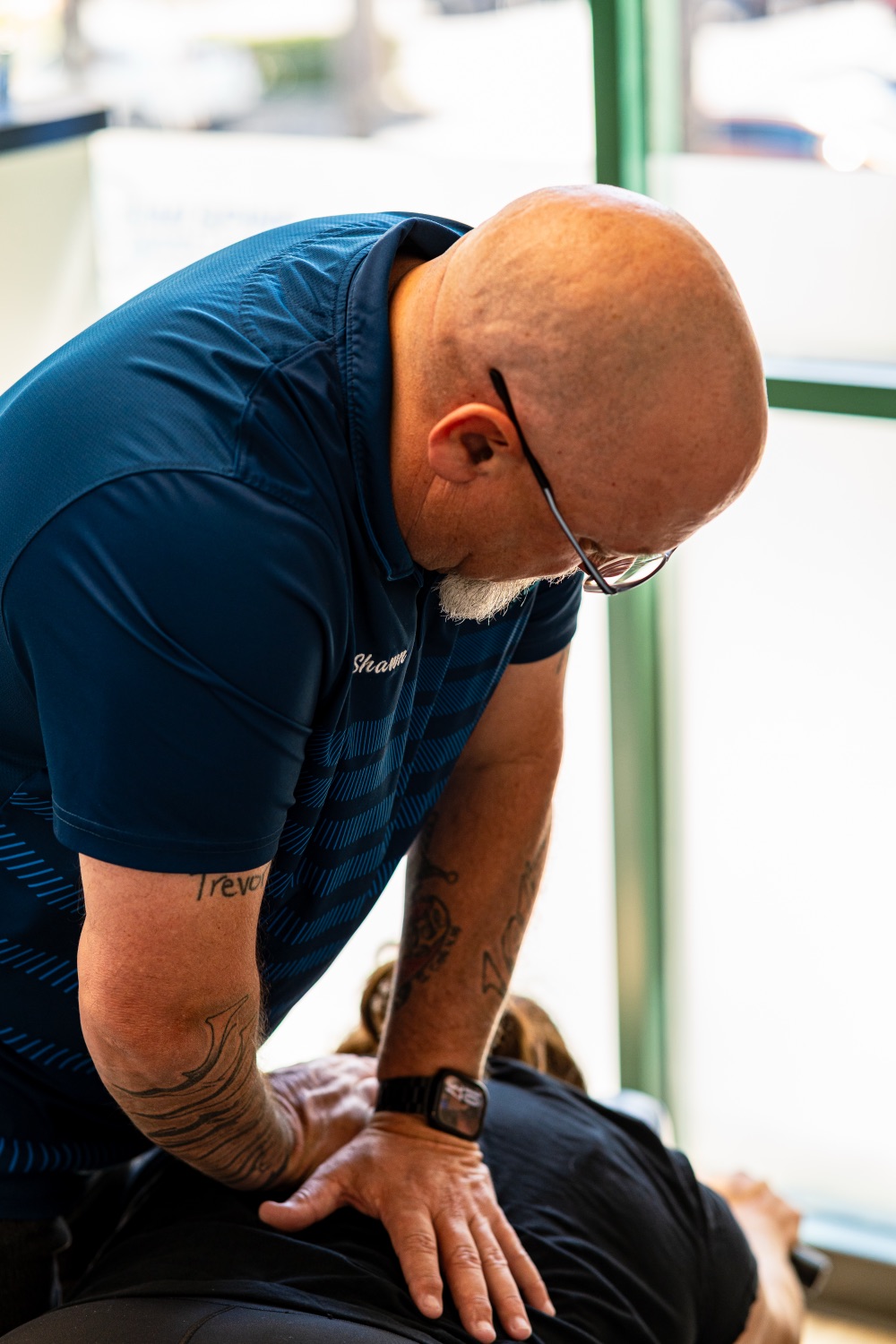
I’m Dr. Shawn DeCloedt, owner of Simi Spine & Wellness, and that’s how we approach back pain in our office. We don’t just want to know where you hurt. We want to understand why you’re hurting, how it’s affecting your life, and what we can do to help you get moving again.
Our goal is simple: Feel Better • Move Better • Live Better.
What Causes Back Pain?
There isn’t one single cause of back pain.
Your spine is surrounded by joints, muscles, ligaments, discs, nerves, and other structures that all work together every time you stand, sit, bend, lift, twist, walk, or exercise. A problem involving one or more of these structures can contribute to pain.
Some common causes and contributors include:
- Muscle strains
- Joint irritation or restricted movement
- Poor lifting mechanics
- Prolonged sitting
- Repetitive movements
- Sports injuries
- Automobile accidents
- Disc problems
- Age-related changes
- Reduced mobility
- Previous injuries
- Sudden increases in physical activity
That’s one reason simply searching for “back pain relief” can become frustrating. What helped your friend, spouse, coworker, or teammate may not be the right solution for you.
Why Does My Lower Back Hurt?
Lower back pain is especially common because your lumbar spine handles a tremendous amount of stress.
Think about how often you use your lower back during a normal day. Getting out of bed. Putting on your shoes. Getting into your car. Sitting at work. Picking up your children. Going to the gym. Playing golf. Working around the house.
Even simple movements can become difficult when your lower back isn’t functioning comfortably.
For some people, the problem starts after one specific movement. For others, it’s the accumulation of hundreds of small stresses over months or years.
That’s why identifying what may be contributing to the problem matters.
Sitting May Be Part of the Problem
We see a lot of people who spend hours sitting every day, and today’s routine doesn’t make that easy on your body.
You sit during your commute. You sit at work. You sit during meetings. You sit while looking at your phone. Then you get home and sit on the couch.
Long periods in one position can contribute to stiffness and discomfort in the lower back, hips, shoulders, and neck.
The answer isn’t necessarily finding the “perfect” sitting posture and never moving from it.
Movement matters. Changing positions, taking short walking breaks, improving mobility, and paying attention to your workstation can all help manage the stress that comes with prolonged sitting.
Is It a Muscle Strain or Something More?
This is one of the questions patients ask most, and sometimes you can’t tell just from where it hurts.
A muscle strain can cause significant pain and stiffness. But pain can also come from joints, discs, nerve irritation, and other structures. That’s why an evaluation is important when pain is significant, persistent, keeps returning, or comes with other symptoms.
At Simi Spine & Wellness, we start by listening to what happened.
When did the pain begin? Was there an injury? What movements make it worse? What makes it better? Does the pain stay in your back, or does it travel into your buttock or leg? Are you experiencing numbness, tingling, or weakness?
Those details help guide the examination and determine what the next step should be.
Can a Chiropractor Help With Back Pain?
Chiropractors commonly evaluate and manage many types of musculoskeletal back pain.
But here’s the important part: not every person with back pain should receive exactly the same treatment.
Your care should depend on what’s found during your evaluation. For some patients, chiropractic adjustments may be appropriate. For others, the plan may incorporate approaches such as:
- Flexion-distraction
- Non-surgical spinal decompression
- Massage therapy
- Assisted stretching
- Cold laser therapy
- PEMF therapy
- Cupping
- Instrument-assisted soft tissue techniques
- Corrective exercise and mobility work
And sometimes the correct decision is to refer a patient for additional medical evaluation or imaging.
Our job isn’t to force every person into the same treatment. Our job is to help determine what’s appropriate for the person standing in front of us.
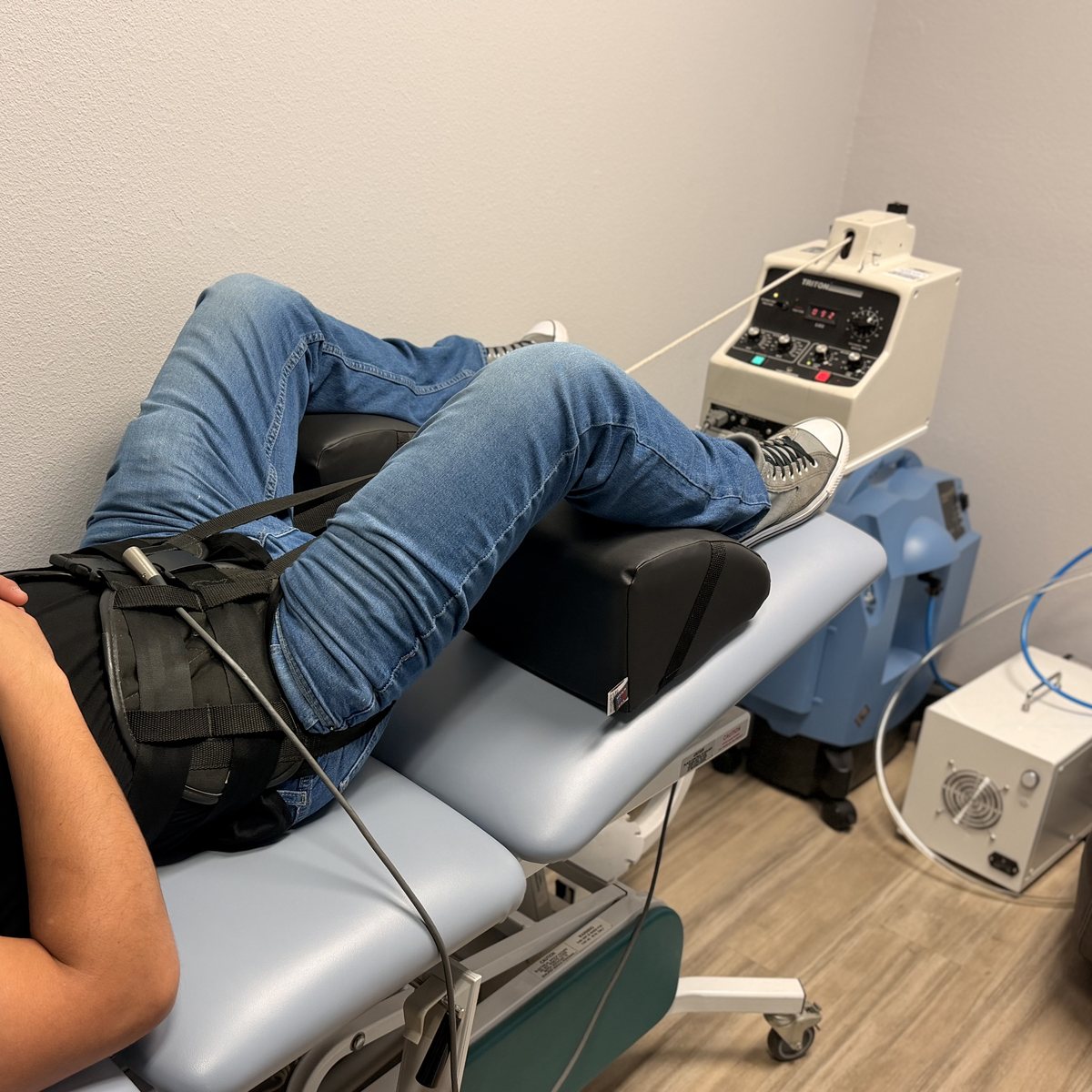
What About Spinal Decompression?
For certain patients, non-surgical spinal decompression may also be considered.
Decompression is different from a traditional adjustment. It uses controlled mechanical distraction to gently stretch and unload areas of the spine.
Depending on your evaluation, it may be considered as part of a conservative plan for certain disc-related conditions or nerve irritation. It isn’t appropriate for everyone, which is why we determine whether you’re a candidate before recommending it.
Is My Back Pain Actually Sciatica?
Sometimes what people describe as back pain includes symptoms traveling into the buttock or leg. That may point to irritation involving the sciatic nerve or another structure.
Common sciatic-type symptoms can include:
- Lower back pain
- Buttock pain
- Pain traveling down the leg
- Tingling
- Numbness
- Burning sensations
- Weakness
The pattern varies from person to person. More importantly, sciatica describes a group of symptoms rather than one single cause. Finding the source of those symptoms matters when deciding what treatment is appropriate.
Should I Rest When My Back Hurts?
When your back hurts, lying down and avoiding movement may sound like the safest thing to do.
There are situations where modifying activity makes sense, especially right after an acute injury. But extended bed rest is generally not the goal for uncomplicated mechanical back pain.
Appropriate movement can be an important part of recovery. That doesn’t mean pushing through severe pain or going straight back to heavy lifting. It means finding the right level of activity for what’s actually happening with your back.
Sometimes that’s walking. Sometimes it’s mobility work. Sometimes it’s modifying your workout. And sometimes you need an evaluation before deciding what activity is appropriate.
When Should Back Pain Be Evaluated?
Mild soreness after doing something unusual may improve on its own. Consider getting evaluated when back pain:
- Isn’t improving
- Continues to return
- Interferes with work or sleep
- Limits normal activities
- Started after an accident or significant injury
- Travels into your leg
- Comes with persistent numbness, tingling, or weakness
- Is getting progressively worse
Some symptoms need urgent medical attention rather than a chiropractic visit. Seek prompt medical care for severe back pain associated with significant trauma, fever or unexplained illness, new bowel or bladder dysfunction, numbness in the groin or saddle area, or significant or progressive leg weakness.
Those symptoms shouldn’t be treated as routine back pain.
Relief Isn’t Just About Making the Pain Stop
Obviously, if you’re hurting, you want the pain to stop. We understand that.
But there’s another question worth asking: why did it start in the first place?
If your back hurts every three months after the same activity, waiting for the pain to disappear doesn’t address what’s contributing to it.
Maybe your hips aren’t moving well. Maybe you’ve lost mobility. Maybe there’s an issue with how you’re lifting. Maybe your job places repetitive stress on your body. Maybe you’re returning to an activity your body isn’t currently prepared to handle.
That’s where looking past the immediate symptoms becomes valuable.
What Can I Do at Home for Back Pain?
What’s appropriate depends on the cause and severity of your symptoms, but some general habits help support a healthier back.
Keep Moving
When appropriate, regular movement and walking help prevent the stiffness that comes from staying in one position too long.
Change Positions
If you sit for long periods, get up periodically. Your next posture is often more important than holding one “perfect” posture all day.
Pay Attention to Lifting
When lifting something heavy, keep the load close to your body and avoid combining heavy lifting with awkward twisting.
Build Strength Gradually
Your back doesn’t work alone. Your hips, legs, abdominal muscles, and overall conditioning all contribute to how you move.
Don’t Ignore Recurring Pain
If the same pain keeps returning, that’s a good reason to find out what’s contributing to it.
Back Pain Treatment in Simi Valley
If you’ve been searching for back pain relief in Simi Valley, the first step doesn’t have to be complicated.
Start by finding out what’s going on. We’ll listen to your history, evaluate the problem, and discuss your options. Depending on your needs, your plan may include chiropractic care or one or more of the other services available in our office.
And if we don’t believe you’re an appropriate chiropractic patient, we’ll tell you. That’s part of taking care of people.
You don’t have to guess what’s causing your back pain, and you don’t have to wait until you can barely move before doing something about it.
This article is intended for general educational purposes and does not replace individualized medical advice, diagnosis, or treatment. Treatment recommendations are made after an appropriate evaluation.
Frequently Asked Questions
What is the fastest way to relieve lower back pain?
There isn't one treatment that's fastest or best for every type of lower back pain, because the cause can vary. Appropriate movement, activity modification, conservative care, and other treatment options may help depending on the individual. Significant or persistent pain should be evaluated.
Should I see a chiropractor for lower back pain?
Chiropractors commonly evaluate and manage many forms of musculoskeletal lower back pain. An examination can help determine whether chiropractic care is appropriate for your particular condition.
Can spinal decompression help back pain?
Non-surgical spinal decompression may be considered for certain patients, particularly when specific disc-related conditions or nerve irritation are involved. Not everyone with back pain is a candidate.
How do I know if my back pain is sciatica?
Sciatic-type symptoms often involve pain that travels from the lower back or buttock into the leg and may include numbness, tingling, burning, or weakness. Because several conditions can produce similar symptoms, an evaluation is recommended.
How long should I wait before seeing someone about back pain?
There isn't a single timeline that applies to everyone. Pain that is severe, worsening, repeatedly returning, limiting normal activities, or associated with neurological symptoms should be evaluated rather than ignored.
Feel Better • Move Better • Live Better
Start with an evaluation
Simi Valley Spine & Wellness · 3655 Alamo St, Suite 201, Simi Valley, CA 93063 · (805) 581-2310
Schedule an Appointment