Massage Therapy in Simi Valley: What It Helps, and How It Fits With Chiropractic Care
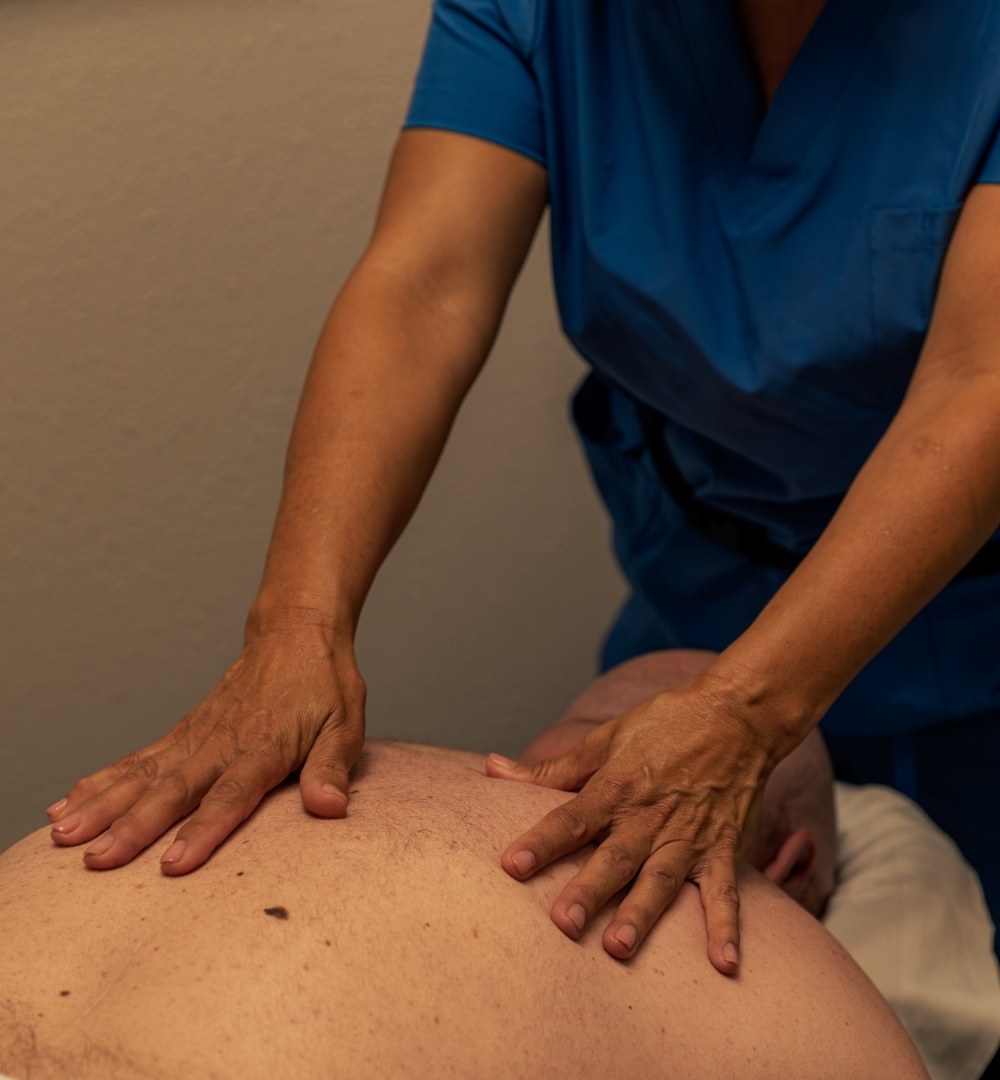
People in Simi Valley book massage for two very different reasons. Some want an hour of quiet to undo a stressful week. Others have a shoulder or a low back that has been tight for months and want someone to actually work on it.
Both are good reasons. The second one is where massage and chiropractic care start to overlap, and where I think it helps to understand what each one does.
I’m Dr. Shawn DeCloedt. Our massage therapist, Laura, has been doing this work since 1988, and we have treated a lot of the same people from two different angles. Here is how we think about it.
What Massage Actually Does
Therapeutic massage works on muscle, fascia, and the other soft tissues that surround and move your joints. Sustained pressure, stretching, and specific techniques help tight muscles let go, improve how tissue glides, and reduce the guarding that builds up around an area that has hurt for a while.
It does not move bones, and it does not fix a joint that is not moving well. That is a different job. What it does is calm down the muscles that are often doing the complaining.
A lot of people arrive with “back pain” or “neck pain” that is really a muscle problem: tension from a desk, from stress, from a hard workout, or from protecting an area that was injured months ago and healed a long time ago. For that kind of problem, skilled hands-on work can make a real difference.
What Laura’s Sessions Look Like
Every session starts with a conversation. Where does it hurt, what makes it worse, what do you want out of the hour. Then the work is built around that.
Laura’s foundation is Swedish massage, and she layers in other techniques depending on what she finds:
- Trigger point therapy for the specific knots that refer pain somewhere else
- Acupressure for sustained pressure on tight, tender points
- Reflexology
- Therapeutic stretching to restore length to muscles that have shortened
- Soft-tissue work on areas of restriction
Pressure is up to you. Some people want it light. Some want her to find the spot and stay on it. Both are fine, and you can change your mind mid-session.
Why Massage and Chiropractic Work Well Together
This is the part I care most about, because I see the combination work every week.
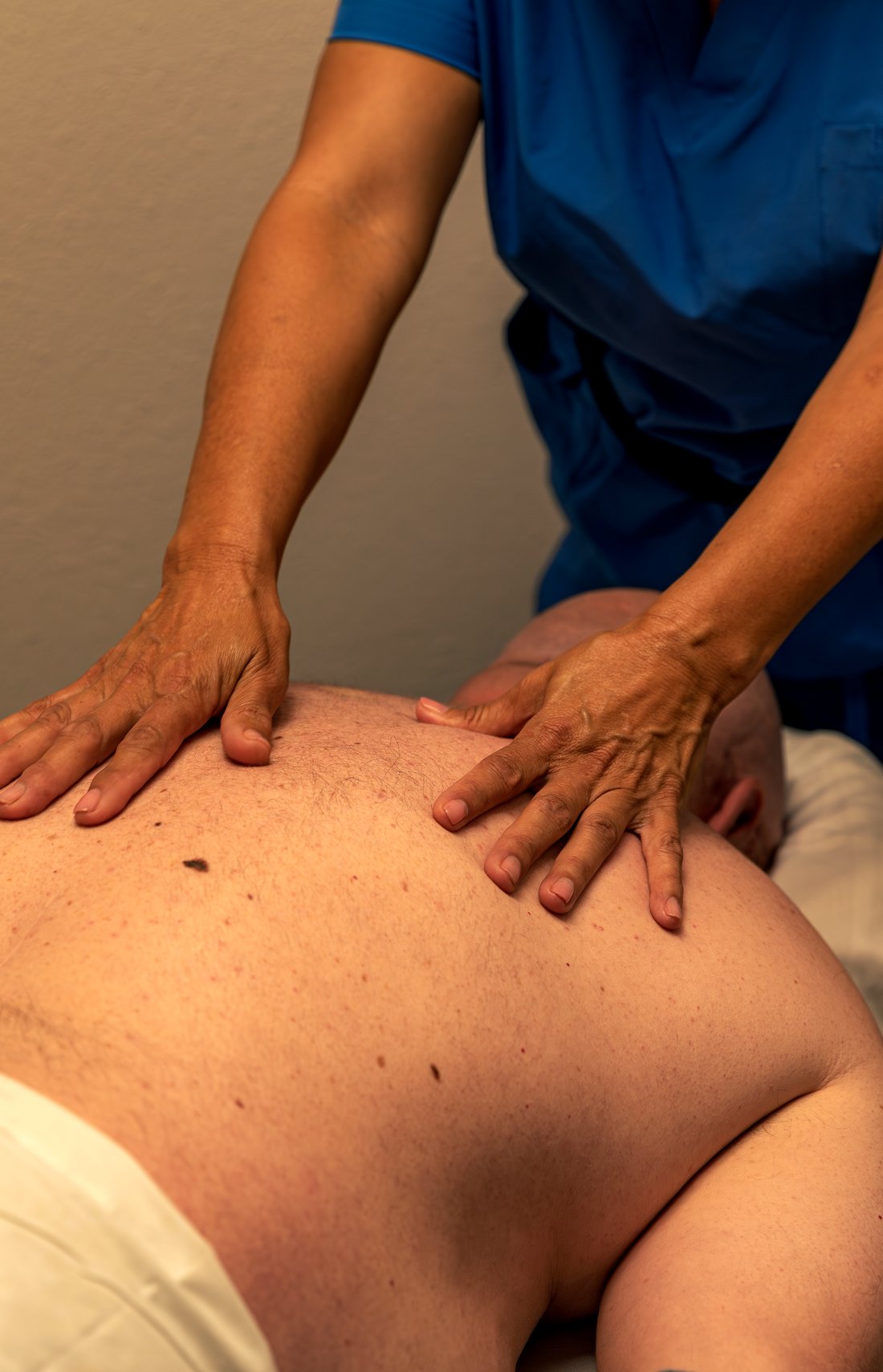
A chiropractic adjustment restores motion to a joint that is not moving well. But the muscles around that joint have usually been tight for a while, and tight muscles pull a joint back toward the position it was stuck in. That is one reason people feel better after an adjustment and then feel the same problem creep back a few days later.
Massage addresses the muscle side of that equation. When the surrounding tissue is relaxed and moving, the adjustment tends to hold better and the visit itself is more comfortable.
So for a lot of the problems we treat, the two are complementary rather than either-or:
- Back pain where the muscles of the low back and hips are guarding
- Neck pain with tension through the shoulders and upper back
- Tension headaches that start in the muscles at the base of the skull
- Recovery after an injury, once the acute phase has passed
- Soreness from training or physical work
You do not have to do both. Plenty of people see Laura and never see me, and that is a perfectly good way to use the office. But if you are coming in for an adjustment and we think soft-tissue work would help it hold, we will tell you.
When Massage Is Not the Right First Step
I would rather tell you this up front than have you book the wrong thing.
Massage is not the place to start if you have pain shooting down an arm or leg with numbness, tingling, or weakness. That pattern suggests a nerve is involved, and it needs an evaluation before anyone works on the area. The same goes for pain that started with a fall, a car accident, or a sudden injury. Get it looked at first, and if massage is appropriate, we will say so.
There are also a few situations where massage should wait or be modified: a fever, a skin infection or open wound in the area, significant swelling from a fresh injury, a known or suspected blood clot, or certain medical conditions. Laura asks about these before every session for a reason. Answer honestly, and if she suggests checking with your physician first, that is her experience talking.
Massage Therapy in Simi Valley
If your muscles have been tight for longer than you would like, or you want massage to be part of how you take care of yourself, Laura’s room is at our office on Alamo Street in Simi Valley. You can book a massage on its own, or ask about adding it to your chiropractic visit.
You can read more about how our massage therapy works, and meet Laura before you come in.
This article is intended for general educational purposes and does not replace individualized medical advice, diagnosis, or treatment. Treatment recommendations are made after an appropriate evaluation.
Frequently Asked Questions
Do I need to be a chiropractic patient to book a massage?
No. Massage with Laura is available on its own. Many people book it for stress, muscle tension, or recovery from training without ever seeing the chiropractor. If something comes up during your session that we think should be looked at, Laura will say so.
What kind of massage do you offer?
Laura's foundation is Swedish massage, and she works in trigger point therapy, acupressure, reflexology, therapeutic stretching, and soft-tissue techniques depending on what your body needs that day. Pressure is adjusted to you, from light and relaxing to focused deep work on specific areas.
Should I get a massage before or after my adjustment?
Either can work. Massage before an adjustment relaxes the muscles around the joints we are working on, which some people find makes the adjustment more comfortable. Massage after can ease any soreness from the visit. If you are doing both, we will suggest an order based on what we are treating.
How often should I get a massage?
It depends on why you are coming in. Someone working through an injury alongside chiropractic care may benefit from weekly sessions for a few weeks. Someone using massage for stress or maintenance often settles into every two to four weeks. There is no required schedule, and we will tell you what we think makes sense for you.
Is massage safe for everyone?
Most people, yes. There are conditions where massage should be delayed or adjusted, such as a fever, a recent injury with significant swelling, an open wound or skin infection in the area, a blood clot or suspected clot, or certain stages of pregnancy without clearance. Tell Laura about any medical conditions, medications, or recent surgeries before your session and she will adapt or advise you to check with your physician first.
Feel Better • Move Better • Live Better
Start with an evaluation
Simi Valley Spine & Wellness · 3655 Alamo St, Suite 201, Simi Valley, CA 93063 · (805) 581-2310
Schedule an Appointment