
Leg pain, tingling & numbness
Sciatica Treatment in Simi Valley
Pain that travels from the lower back or buttock into the leg. Sciatica is a set of symptoms, not a diagnosis, so the first job is finding out what is causing it.
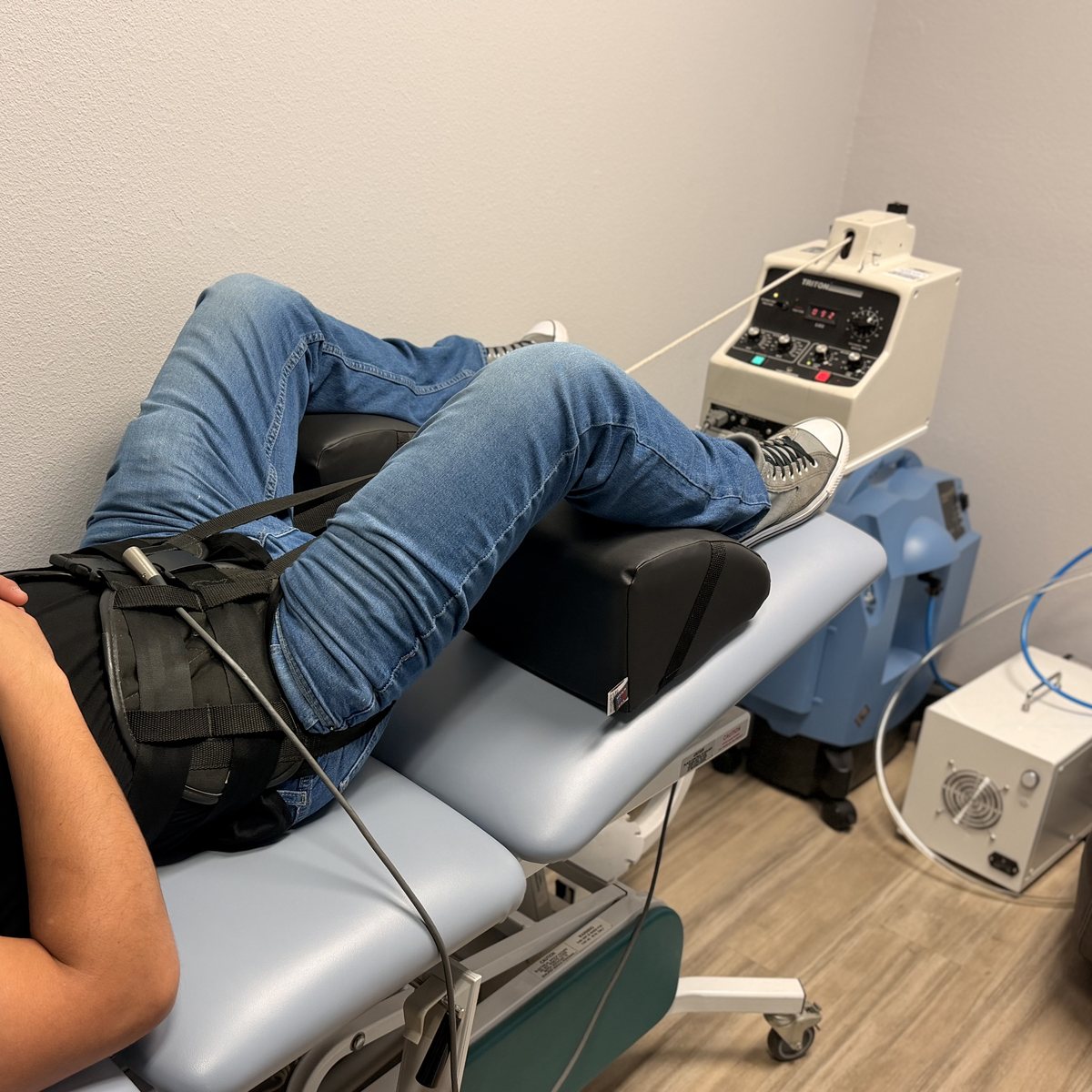
Sciatica describes pain that follows the path of the sciatic nerve, usually starting in the lower back or buttock and traveling down the back of the leg. It can come with tingling, numbness, burning, or weakness, and it often affects one side more than the other.
Here is the part that matters most: sciatica is a description of symptoms, not a diagnosis. Several different problems can irritate the sciatic nerve and produce a similar pattern. Treating it well starts with figuring out which one is happening.
What sciatica usually feels like
Sciatic-type symptoms vary from person to person, but patients commonly describe some combination of:
- Pain that starts in the lower back or buttock and travels down the leg
- A burning, electric, or shooting quality rather than a dull ache
- Tingling or a pins-and-needles feeling in the leg or foot
- Numbness along part of the leg
- Weakness in the leg, or a foot that feels heavy or catches when walking
- Symptoms that worsen with sitting, coughing, sneezing, or bending forward
Pain confined to the lower back, without anything traveling into the leg, is usually a different problem. That distinction matters, because it changes what we look for during the examination.
What can cause sciatic symptoms
The sciatic nerve can be irritated at several points along its path. Common contributors include:
- A bulging or herniated disc pressing on or irritating a nerve root
- Narrowing of the spinal canal or the openings the nerves pass through
- Joint irritation and inflammation in the lower back
- Muscle tightness in the hip and buttock affecting the surrounding tissue
- Degenerative changes in the lumbar spine
- Injuries from sports, lifting, or an automobile accident
These are genuinely different problems that happen to produce overlapping symptoms. That is exactly why we evaluate before recommending a plan rather than starting the same treatment for everyone with leg pain.
How we evaluate it
Your visit starts with a conversation. When did it start? Was there an injury? What makes it worse, and what gives you relief? How far down the leg does it travel? Is there numbness or weakness?
From there, an examination may look at range of motion, how the lumbar spine and hip are moving, orthopedic testing, and neurological findings such as reflexes, sensation, and muscle strength. Previous imaging is useful if you have it.
The purpose is to understand where the nerve is being irritated and whether conservative care is appropriate for you.
Treatment options at our office
Care depends on what the evaluation shows. Depending on the findings, a plan for sciatic-type symptoms may include:
- Non-surgical spinal decompression — often considered when a disc is involved
- Chiropractic adjustments — when joint movement is part of the picture
- Flexion-distraction — a gentler, table-assisted technique
- Cold laser therapy
- Massage therapy — for associated muscle tension
- Instrument-assisted soft tissue work
- Corrective exercise and mobility work
Not every patient needs every one of these. Some people improve with conservative care; others turn out to need imaging or a referral, and we will tell you if that is what we think.
Frequently Asked Questions
How long does sciatica last?
It varies a great deal depending on the cause and severity. Some episodes settle within weeks with appropriate care and activity modification, while others persist and need a more structured plan. Symptoms that are severe, worsening, or accompanied by weakness should be evaluated rather than waited out.
Can a chiropractor help with sciatica?
Chiropractors commonly evaluate patients with sciatic-type symptoms. Whether chiropractic care is appropriate depends on what is irritating the nerve, which is why an examination comes before any treatment recommendation.
Is spinal decompression good for sciatica?
Non-surgical spinal decompression may be considered for certain patients, particularly when a disc appears to be involved. It is not appropriate for everyone with leg pain, so we determine whether you are a candidate before recommending it.
Should I rest or keep moving with sciatica?
Extended bed rest is generally not the goal for uncomplicated cases. Appropriate movement is often part of recovery, though the right level of activity depends on what is causing your symptoms. That is worth determining before pushing through pain.
Do I need an MRI for sciatica?
Not automatically. Whether imaging is appropriate depends on your history, examination findings, symptom severity, and how you respond to initial care. Imaging should have a clinical reason behind it.
Feel Better • Move Better • Live Better
Not sure what’s causing it?
That’s what an evaluation is for. We’ll look at what’s happening and talk through your options.
Book an EvaluationAlso see: Herniated & Bulging Discs